Vex Workbench · Ad Boards
LightAvailableAdvancedInvite

Hear the objections before the real room does.

Convene expert agents on one question, with one of ten board approaches. Each seat argues its position with its sources, the split stays on the record, and a named person on your team decides.

  • Seats are expert agents
  • Dissent on record
  • You decide
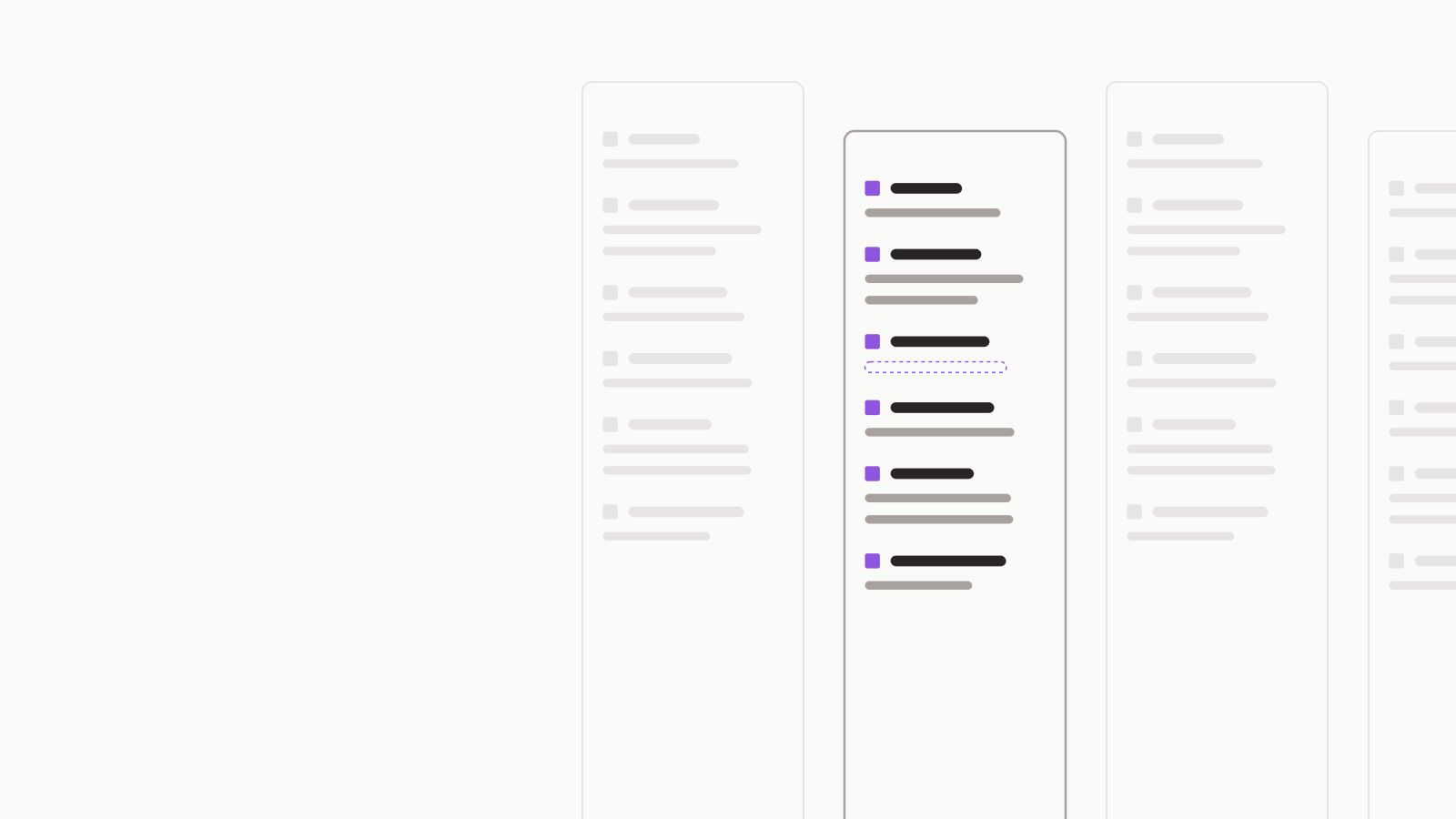
Board record · Red Team Review3 seats
Seats
  • Market Access LeadAgent
  • Regulatory StrategistAgent
  • Clinical Operations DirectorAgent
Positions
  • WaitThe comparator is not settled.
    Source
  • FileThe window will not reopen this cycle.
    Source
  • WaitThe second readout changes the endpoint story.
    Gap
  • Split 2 to 1 to waitThe dissent is kept in full.

Head of Market Access decidesNot decided yet. The board never decides.

Illustrative example. The question, seats and positions are fictional.
Board approaches10 approaches

From a round table to a Delphi, each shaped for one kind of question.

Ready-made77 boards

Recurring questions already set up, from a Payer Dossier Red Team to a Core Outcome Set.

Functions10 teams

Public affairs, market access, medical affairs, regulatory, clinical operations and more.

Counted in the product on 29 October 2026.

01The problem

One confident answer. Then the real board takes it apart.

Ask an assistant for a view and you get one fluent position, averaged across every angle it could have taken. The objections a regulator, a payer or a clinician would raise are smoothed away before you see them.

A general assistant

"File now. The evidence is strong and payers will accept it."

One voice, no dissent, and no sign of what a payer would object to.
With Ad Boards

"Split 2 to 1 to wait. Market access: the comparator is not settled. Regulatory: the window will not reopen."

Each seat argues its position. The split stays visible, so you weigh it.

Illustrative example. The wording shows how the boards are designed to behave; it is not a transcript.
02How it works

Question, approach, seats. Then the record.

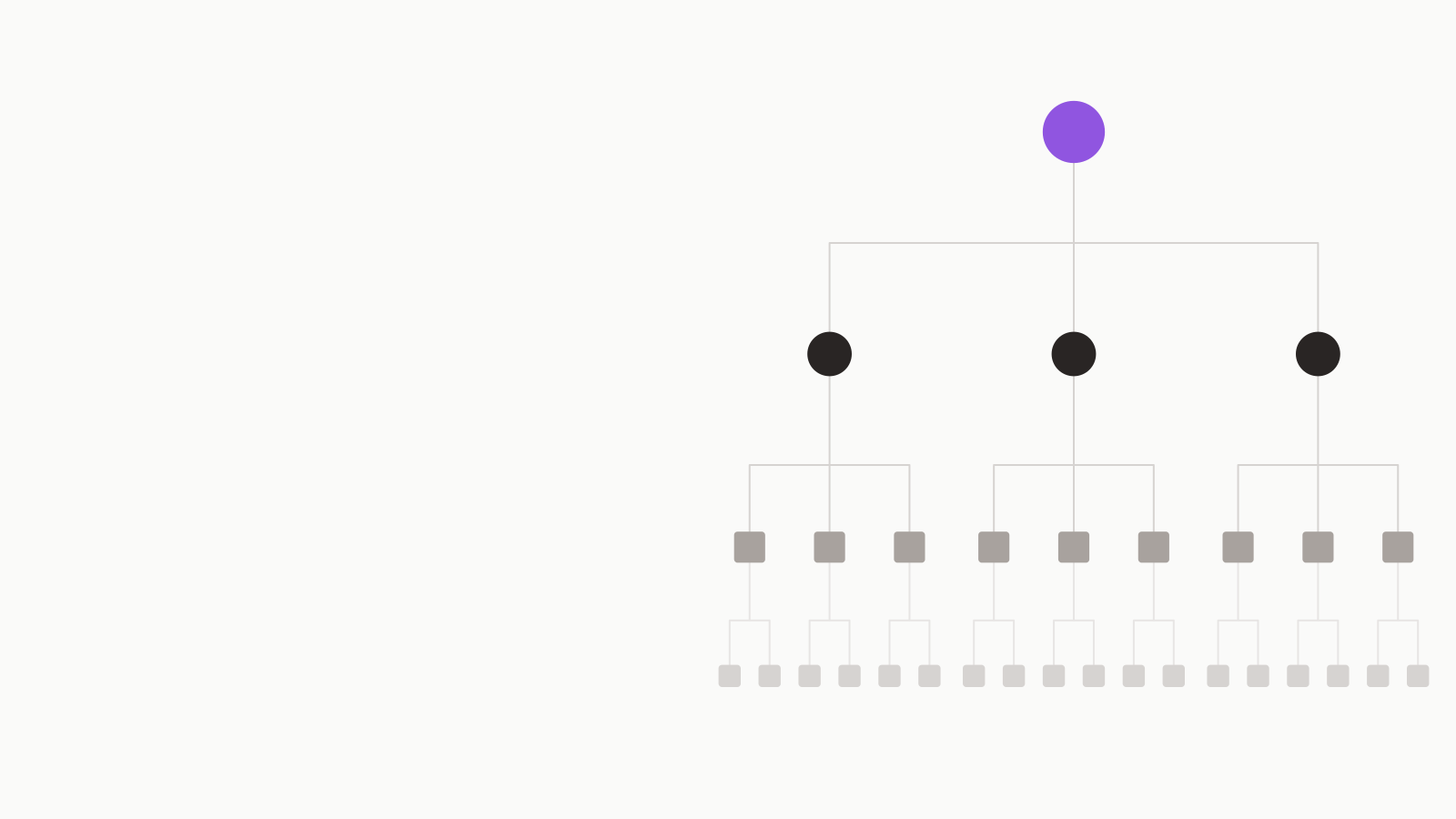
You bring the question. The approach sets how the seats argue. You choose three to five seats. Each seat answers with its sources, and the record keeps where they agree and where they split.

How it worksAd Boards · Light
  1. 1Your question

    The one you would put to a real board

    You
  2. 2An approach

    One of ten, or a ready-made board

    Ad Boards
  3. 3The seats

    Three to five expert agents

    You choose
  4. 4The board record

    Each position, the split, the dissent in full

    Your workspace
  5. 5You decide

    The board never decides

    A named person on your team
How Ad Boards Light is designed to work; it is not a test result.
03The approaches

Ten approaches, each for one kind of question.

An approach sets how the board works: who is asked what, in what order, and what you get back. Pick the one that matches what you need to know.
  • Round TablePut one question to specialists from different disciplines and get back where the board lands and how firmly, what each discipline says in its own terms, where they connect or collide, and what none of them covered.Use it when: the question crosses disciplines and one expert would have blind spots.7 sections · 7 ready-made boards
  • Divergence ReviewPut the identical question to every specialist, then get a map of where they genuinely disagree, whether each split is about evidence, assumption or value, the crux each side turns on, and the datum or test that would settle it.Use it when: you need to know where reasonable experts diverge, and why.7 sections · 9 ready-made boards
  • Red Team ReviewGive a plan to specialists whose job is to break it, and get back a verdict, each attack in its own terms, which attacks survive, what would have to be true for the plan to hold, and where it is weakest.Use it when: you have a position and want it attacked before someone else attacks it.8 sections · 8 ready-made boards
  • Stakeholder RehearsalRehearse a hard conversation before it happens: simulated constituencies voice their likely positions, you see where they conflict, the objections to expect with a response for each, what each would need to move, and what a rehearsal cannot tell you.Use it when: you need to hear the objections before the real room does.7 sections · 9 ready-made boards
  • Document ReviewGive a document to specialists who each review it in their own lane, and get back one recommendation, a ledger with a verdict, a risk and a required or suggested change for every item, and a list of what the review could not check.Use it when: you have a draft and want it checked claim by claim before it goes to the formal approver.8 sections · 7 ready-made boards
  • Go / No-Go BoardPut a proposal in front of a board of specialists who each score the same criteria independently, and get back a recommendation with explicit conditions, the score matrix and vote, the dissent, and what would reverse the call.Use it when: a named person must decide whether to proceed and wants a scored, voted and dissent-recorded view first.8 sections · 7 ready-made boards
  • Benefit-Risk BoardSet the benefits of a medicine against its risks in the open: the decision and its therapeutic context, a conclusion with its main uncertainty, an effects table with a comparator, each seat’s reading, and the measures that would manage the risk.Use it when: you need the favorable and unfavorable effects of a product weighed in context, with the uncertainty and the controls stated.8 sections · 7 ready-made boards
  • Estimate ElicitationAsk specialists to estimate one uncertain number from the same evidence, each giving a plausible low and high before the central value, and get the estimates side by side, why they differ, the pooled range, and what would narrow it.Use it when: you need a defensible range for an uncertain quantity and want to see how specialists differ.8 sections · 7 ready-made boards
  • Consensus DelphiTest candidate statements against a rule stated before any result: each specialist rates every statement independently, and you get agreement as seat counts, what reached consensus, what did not, and the residual disagreement left visible.Use it when: you have candidate statements and want to know which ones the specialists would agree on, and where they would not.8 sections · 8 ready-made boards
  • Prioritization BoardPut a list of items in front of specialists who each rank every item alone, in their own shuffled order, and get an aggregated ranking, a cut line, where the seats disagree, and how stable the line is when the weights or the items change.Use it when: you have ten or more items and need a ranked list with a cut line and a record of where specialists disagree.8 sections · 8 ready-made boards

Descriptions and section counts as set in the product on 29 October 2026.

04Ready-made boards

77 boards ready to convene, by function.

Pick your function to see the boards already set up for it. Each card names the approach it is built on, and you can change the question and the seats.

9 ready-made boards for Market Access.

  • Payer Dossier Red TeamStress-test a payer value dossier from HEOR, evidence, competitive and market access angles before submission.Red Team Review
  • Formulary Committee RehearsalRehearse a formulary committee discussion for a specialty drug with simulated payer, pharmacist, clinician and finance voices.Stakeholder Rehearsal
  • Payer Dossier Section ReviewIs this clinical and economic section of our payer dossier supported and consistent with the evidence we hold?Document Review
  • Geographic Entry BoardShould we enter this country now, later or not at all, given pricing, reimbursement and regulatory conditions?Go / No-Go Board
  • Evidence Generation Spend BoardIs this real-world evidence study worth its budget, or should we fund a smaller design or stop?Go / No-Go Board
  • Net Price Erosion RangeBy what percent will the net price fall over the first three years after launch, given payer and policy conditions?Estimate Elicitation
  • Evidence-Standard DefinitionWhat should count as sufficient real-world evidence for a payer submission in our category?Consensus Delphi
  • Evidence Gap PrioritizationOf these 14 open evidence gaps in our dossier, which should we close first to support payer submissions?Prioritization Board
  • Launch Market SequenceRank these 12 candidate countries for launch sequence, given our access and pricing criteria.Prioritization Board
  • Your own questionOn any approach

Ready-made boards as set up in the product on 29 October 2026, on Ad Boards Light. Each one is a starting point; you can change the question and the seats.

05Who sits on the board

Five boards. Every seat is an agent.

None of the seats is a real person, and the record says so. A board marked In build or Planned cannot be convened yet.

  • Available

    Expert board

    Specialists who attack your plan before anyone else does.

  • In build

    Patient board

    Synthetic patient agents. Never a substitute for real patients.

  • In build

    HCP board

    How a treating clinician would read your message.

  • Planned

    Payer board

    How a coverage decision maker would receive your position.

  • Planned

    Employee board

    Agents that play your own teams.

Status read from the platform on 29 October 2026. No published benchmark for Ad Boards yet.

06Two depths

Light for one question. Advanced for a decision with a signature.

Advanced runs a full board as a project, with five gates your team signs. The recommendation needs two signatures, and the software never signs.

LightAvailable

Ad Boards Light

Three to five expert agents on one question, with one of ten approaches, with the dissent kept in the record.

AdvancedInvite

Ad Boards Advanced

A full board run as a project: the decision brief, the method, the seats, the recommendation and the deliverable each wait for a person on your team to sign.

07How to start

Bring the question you would put to a real board.

  • Join

    Create your workspace.

  • Pick an approach or a ready-made board

    Then choose three to five seats.

  • Read the split before the synthesis

    The disagreement is the point.

08What it does not do

The board argues. You decide.

The board argues. You decide.

WE EVALUATE; WE NEVER CERTIFY

The seats are expert agents. They inform a decision; a named person on your team makes it.